Pollepel Island is located in the Hudson River approximately 80km north of New York City. It was first discovered by early Dutch settlers from New York City, and was widely regarded by the native population to be haunted.
On October 23, 1829, Richmond County purchased the property from Stephen Martino for $3,000. The Richmond County Poor Farm opened as a home for the sick, homeless, alcoholics, unwanted children and the elderly. When Staten Island became part of New York City in 1898, the farm would be renamed the New York City Farm Colony.
Military activity began on this site as early as the 18th century with the British, French and Americans occupying "Dumpling Rock at various points until abandoned in 1779.
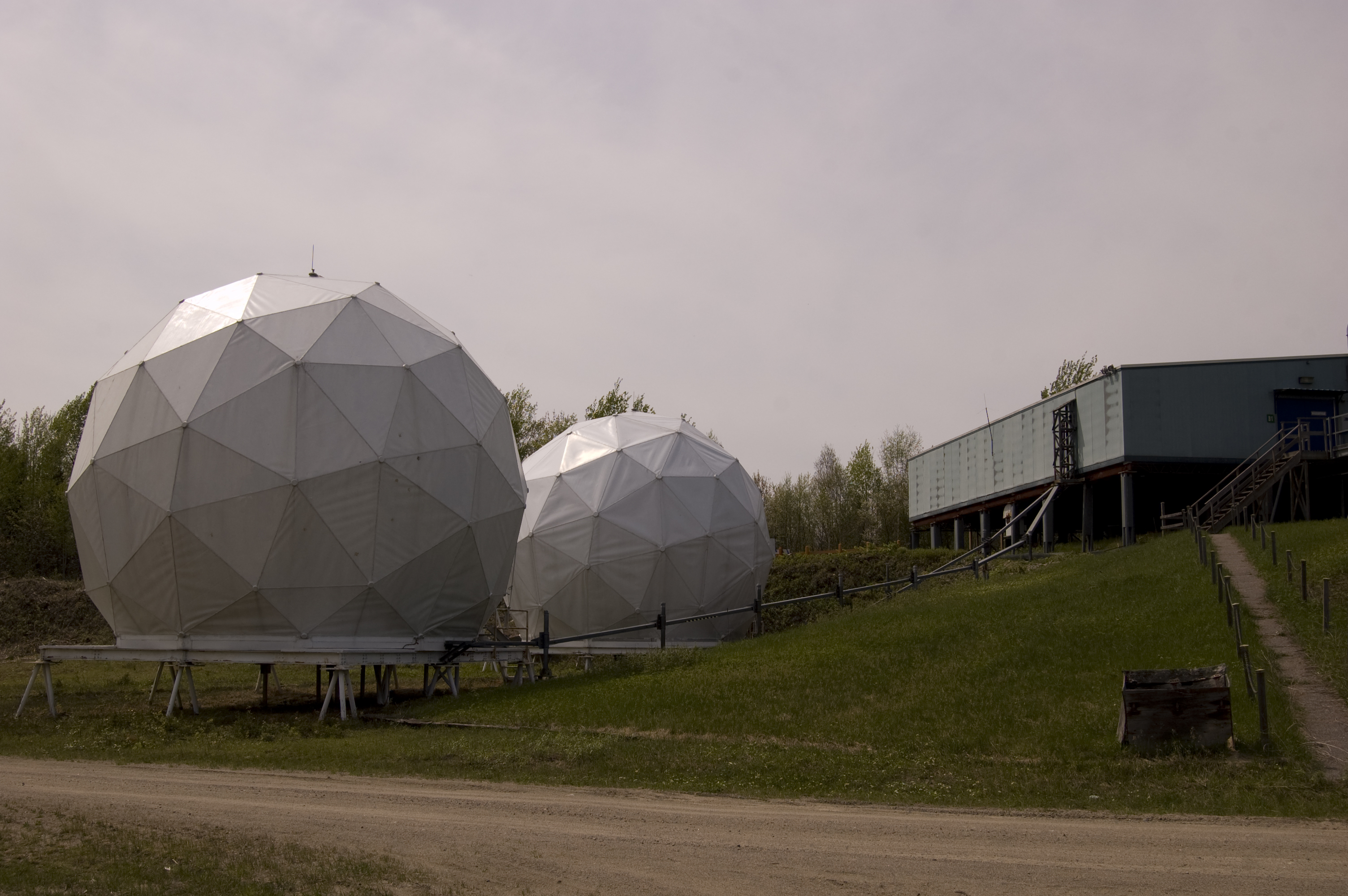
Operations began here in 1951 with the 762d Aircraft Control and Warning Squadron moved in with two WWII-era AN/CPS-3 radars. Its role at this point was as a Ground Control Intercept station, vectoring intercept aircraft toward unidentified targets. In 1955, the AN/FPS-8 radar was added to the base. This system was upgraded to AN/GPS-3 before being removed from service in 1960. In 1956, the primary search radar was the CPS-6B.
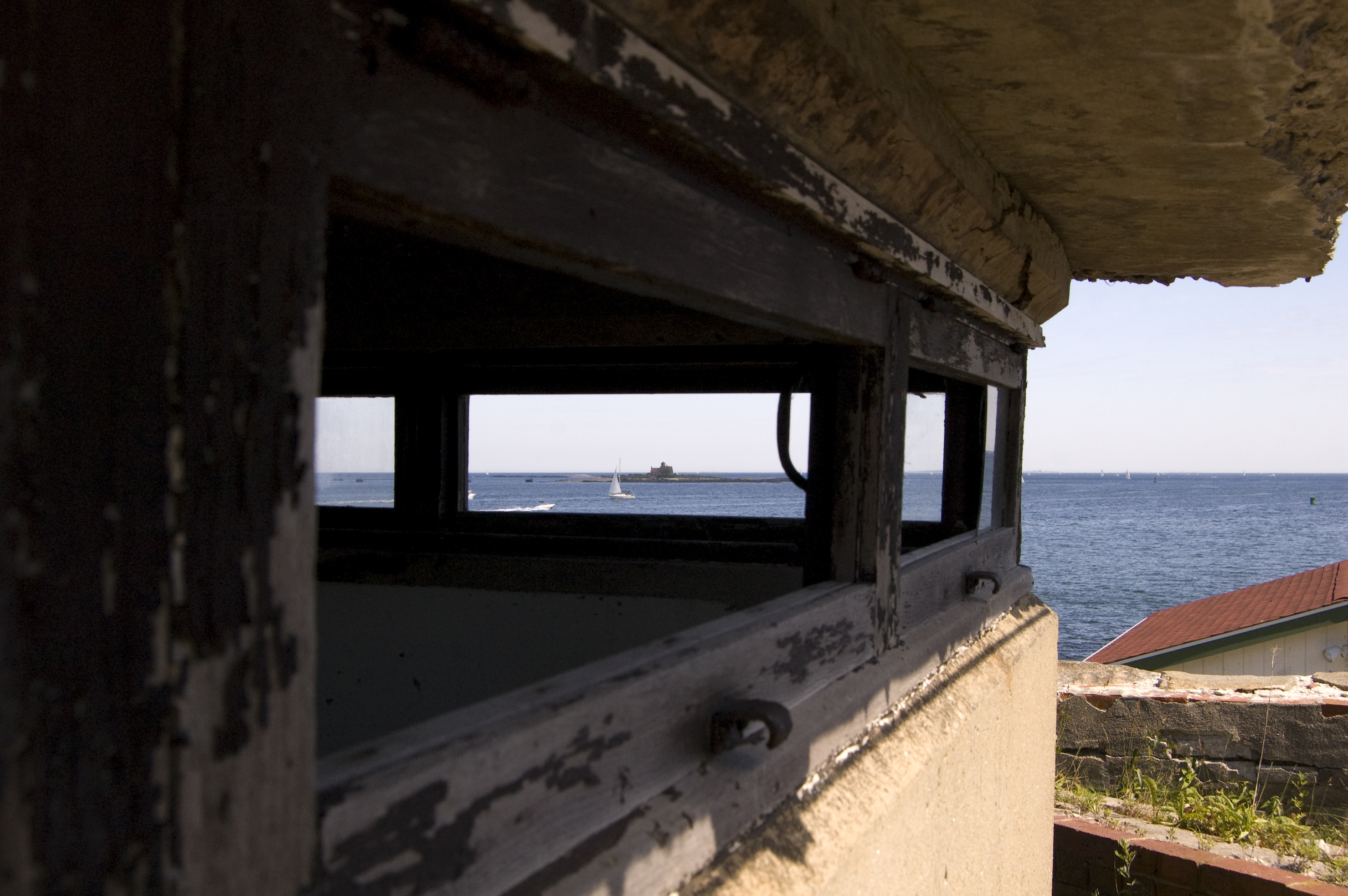
Fort William and Mary was first constructed by the British in 1632 to defend the harbour at Portsmouth. On December 14, 1774, it was raided by locals led by John Langdon. The garrison of 5 men and one officer were easily overrun by Langdon's 40 volunteers who took 72 barrels of gun powder. A day later, another group of rebels, this time led by John Sullivan, again raided the fort taking all of the arms, supplies and some cannons.
This base was originally opened as North Concord AFS and became operational in 1956. It was equipped with AN/MPS-11 and AN/MPS-14 radars. In 1958, the AN/FPS-6A height-finder radar was added, and in 1959, an AN/FPS-3. In 1959, it became part of the SAGE system, feeding data to Topsham AFS. In August, 1962, the station began reporting to Steward AFB in New York.
Originally, the first lock on this site was built in 1798 by the Northwest Trading Company. It was used to facilitate the shipment of goods past the rapids of the St. Mary's River. However, in 1814, U.S. forces attacked and destroyed the lock during the War of 1812.
In 1995, The Government of Ontario under the Conservative Party, created a task force to look into "strict discipline", also sometimes referred to as "boot camp" for young offenders. After research, consultations, and visits to other similar institutions, the task force recommended a pilot project that, if successful, could be expanded.
The Regal Constellation Hotel is a 15-floor, 710-room hotel originally constructed in 1962. It featured a Chinese restaurant, and 90,000 square feet of convention space. In addition, a north wing, and east wing still exist, expanding the site significantly from its original size. Most recently, it had been renovated in 2001. It closed in July, 2004.