Image

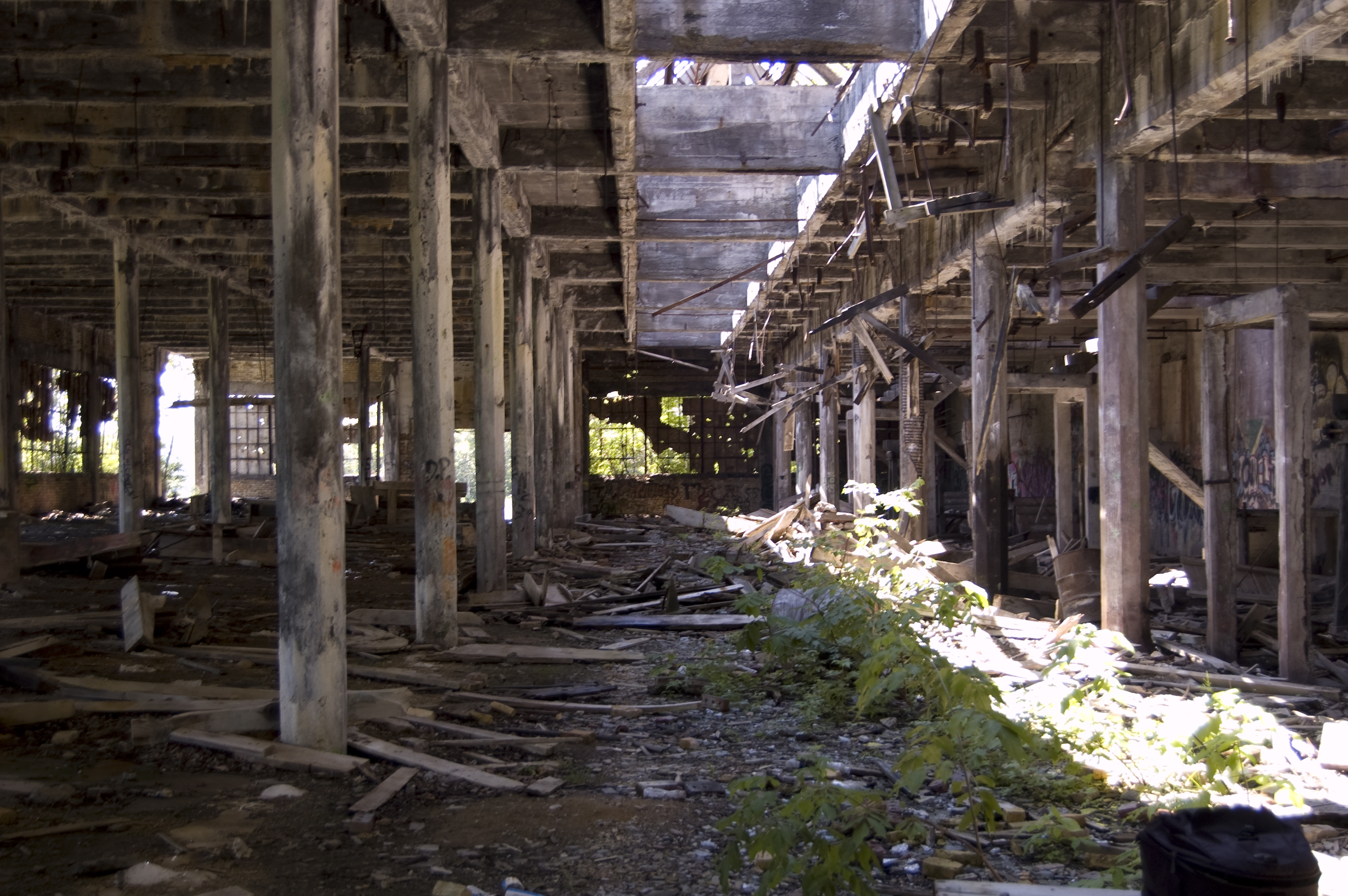
Interestingly, the story here begins as far back as 1798. Early settlers apparently heard loud, booming noises coming from the nearby hillside. With that, a new spring had burst forth through the rock and created a freshwater stream that would play a role in the town for a long time to come.

Read More...

Image

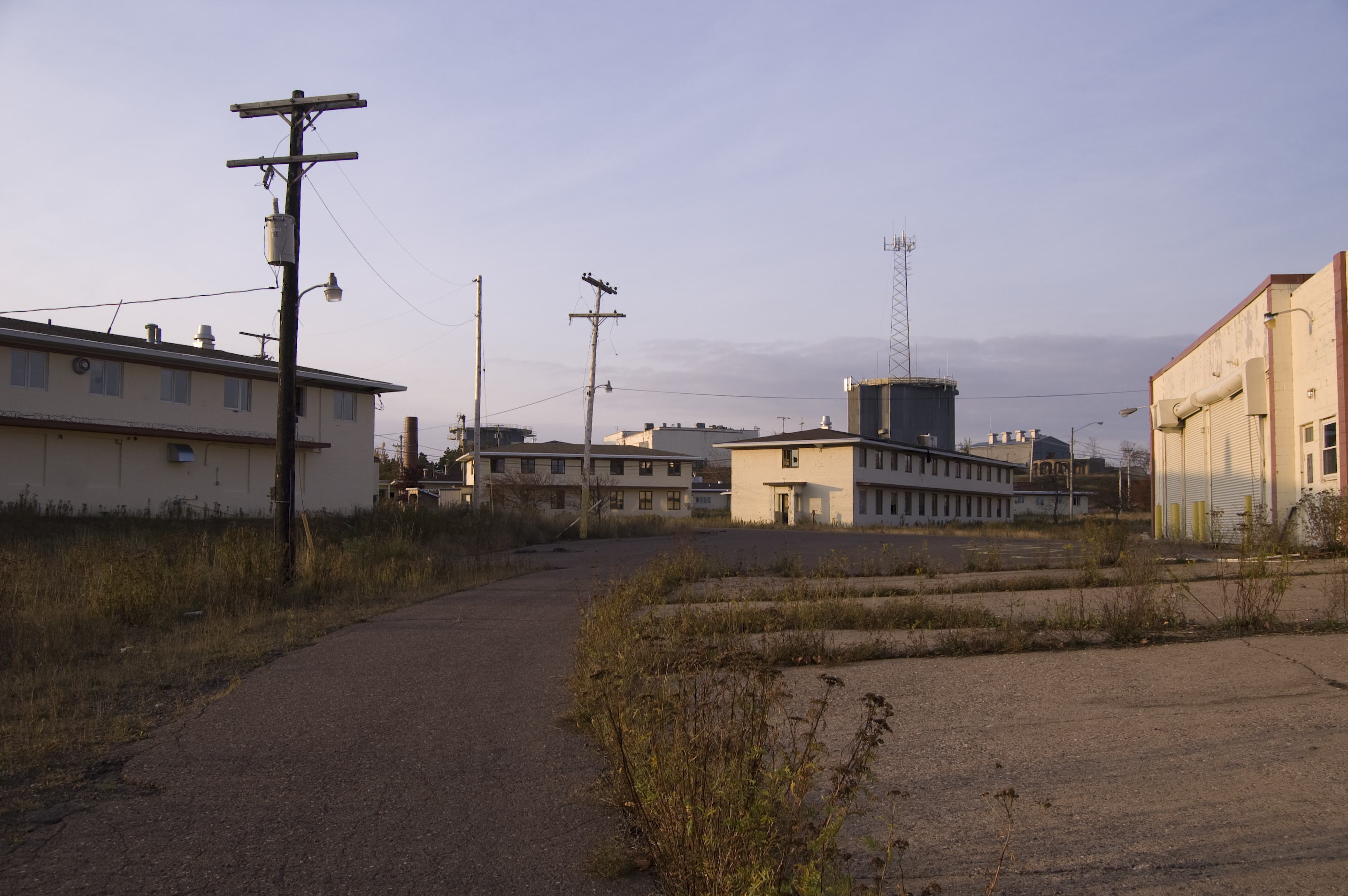
Calumet Air Force Station began operations in 1953 as part of the second wave of construction of such sites. It opened with AN/FPS-3 and AN/FPS-5 radars. In 1956, an AN/FPS-6 height-finder radar was installed, and 1958 saw further improvement with the installation of the AN/FPS-20 search radar.

Read More...

Image

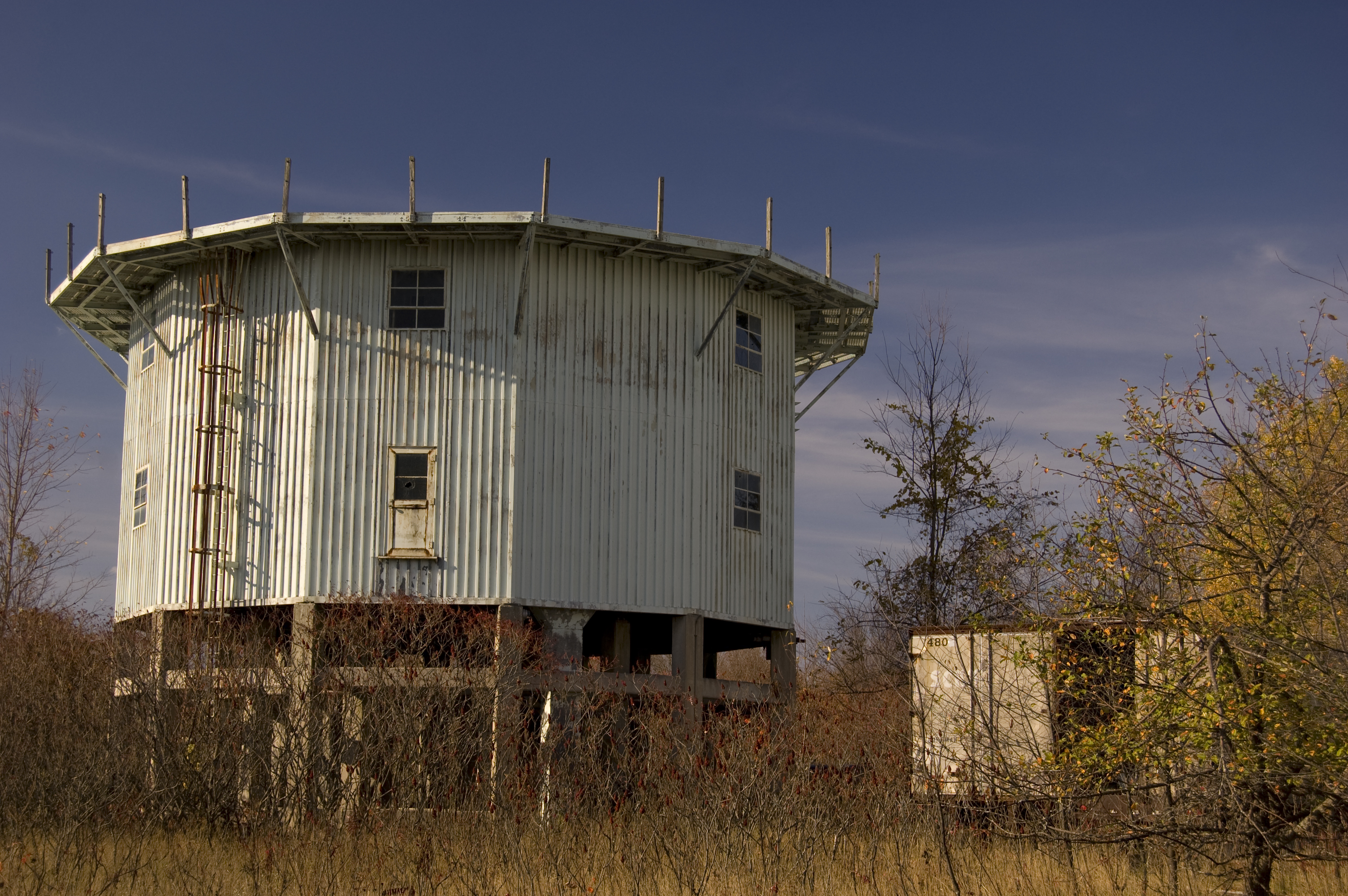
Operations began here on May 1, 1951 with the 676th Aircraft Control and Warning Squadron. They began with an AN/FPS-3 search radar and in June, 1952, acquired an AN/FPS-4 height-finder.

Read More...

Image

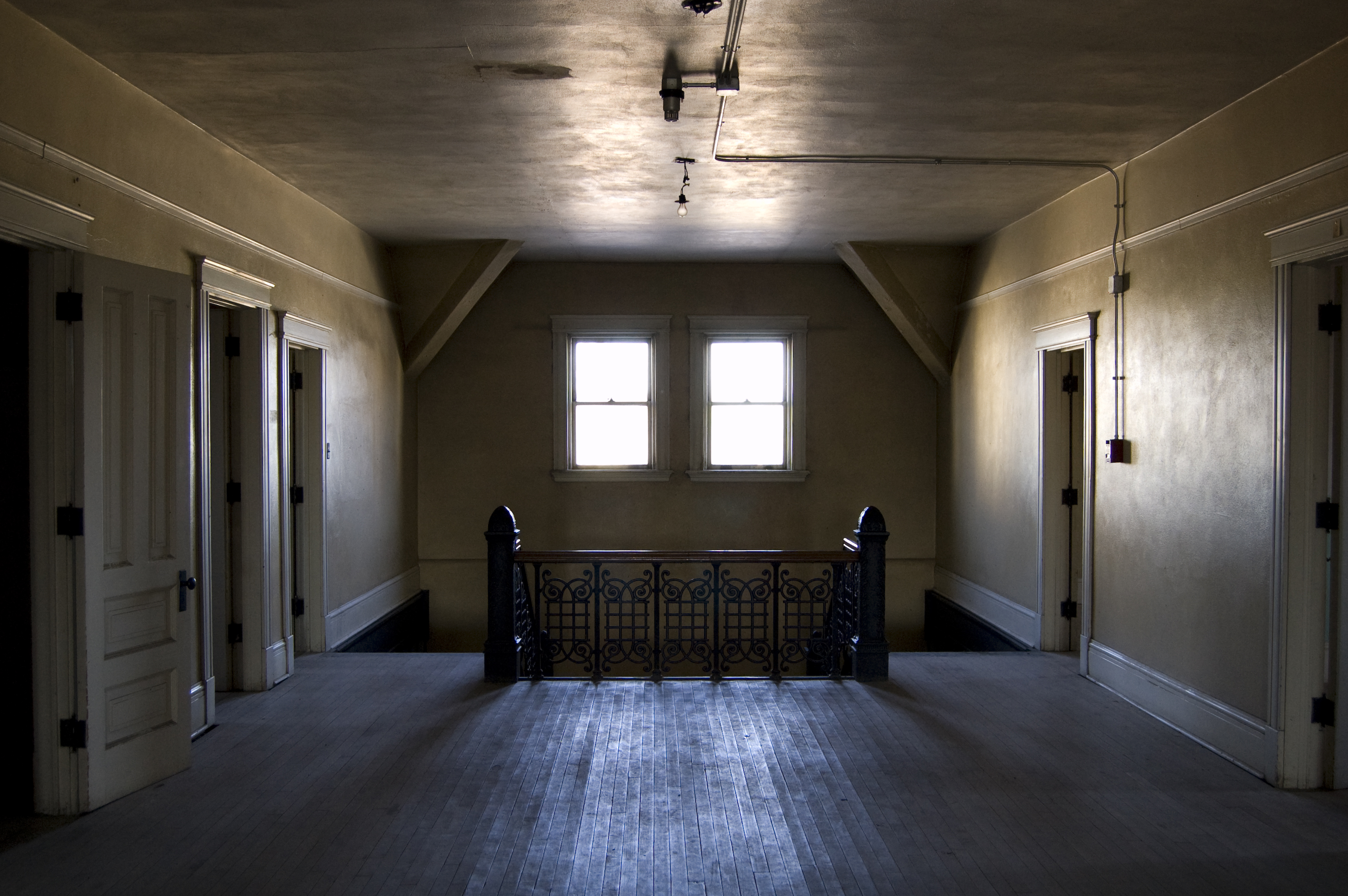
The Quincy Mining Company was formed in 1846 as the result of a clerical error. During the great mining rush of the area, the same piece of land was inadvertently sold to two different parties. After discussions between the directors of the two interests, it was decided they should merge their interests and proceed.

Read More...

Image

As a result of the constant lobbying and persistence of Dorothea Lynde Dix, a nurse advocating for better care of the mentally ill, the New Jersey State Lunatic Asylum was opened on August 18, 1876. A tract of land, 743 acres in size, was purchased in 1871 and 1872, and construction began on the new 673,706 square foot facility.

Read More...

Image

Sandy Hook has a rather impressive array of military history from various periods to look at. One of the most prominent, Fort Hancock, was a coastal defense installation built in 1895. It's primary function was to assist in the defense of New York Harbour. From 1874 until 1919, it oversaw operations at the Sandy Hook Proving Ground which was used to test cannon designs and accuracy from the Civil War until 1919.. In 1893, the US's first disappearing gun battery was installed here and named Battery Potter.

Read More...

Image

Pollepel Island is located in the Hudson River approximately 80km north of New York City. It was first discovered by early Dutch settlers from New York City, and was widely regarded by the native population to be haunted.

Read More...

Image

On October 23, 1829, Richmond County purchased the property from Stephen Martino for $3,000. The Richmond County Poor Farm opened as a home for the sick, homeless, alcoholics, unwanted children and the elderly. When Staten Island became part of New York City in 1898, the farm would be renamed the New York City Farm Colony.

Read More...

Image

Military activity began on this site as early as the 18th century with the British, French and Americans occupying "Dumpling Rock at various points until abandoned in 1779.

Read More...

Image

Operations began here in 1951 with the 762d Aircraft Control and Warning Squadron moved in with two WWII-era AN/CPS-3 radars. Its role at this point was as a Ground Control Intercept station, vectoring intercept aircraft toward unidentified targets. In 1955, the AN/FPS-8 radar was added to the base. This system was upgraded to AN/GPS-3 before being removed from service in 1960. In 1956, the primary search radar was the CPS-6B.

Read More...

Green Hosting Badge