I drove along the street, looking for the specific building I wanted. There were more run-down industrial buildings along here than I expected, so my head was kind of on a swivel. I love this sh*t!
This building was originally constructed as a drying house in 1894, with a single silo added in 1925 for William E. Kreiner of Kreiner Malting Inc. A second silo was added in 1936, bringing the storage capacity to 180,000 bushels.
Opening in April, 1952, Fortuna AFS was home to the 780th Aircraft Control and Warning Squadron. The station began operations with a AN/FPS-3 search radar and two AN/FPS-4 height-finders.
Located just outside Cooperstown, North Dakota, the Oscar 0 Missile Alert Facility was built in the 1965 and features a Launch Control Support building (LCSB) and a Launch Control Centre (LCC) 60 feet below.
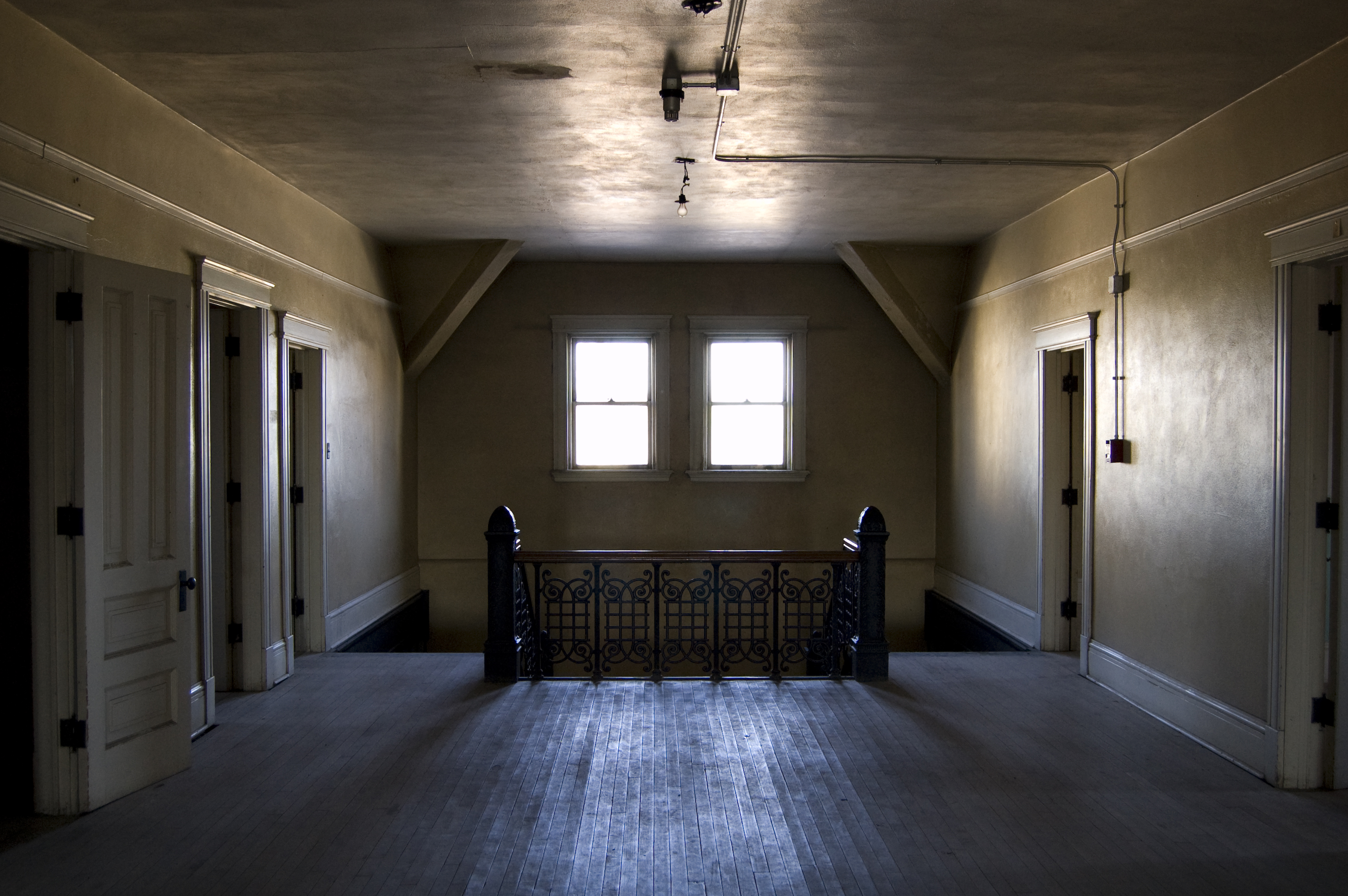
In the late 1880's, overcrowding at Minnesota's two main psychiatric facilities prompted the state to begin looking at the construction of a third. The legislature passed a bill allocating $24,280 for the purchase of 596 acres of land, and a further $70,000 for construction of the required buildings.
The original stamp mill was located close to Houghton, on Portage Lake. Runoff silt from the mill went into the lake, however, and threatened navigation in this important channel. The government threatened heavy fines and so the mill was moved.
Serving a mere 50 years, the Buffalo Central Terminal was built in 1929 by the New York Central Railroad. A single unified rail station had been proposed on this site since 1889, but it wasn't for another 40 years that it would finally happen.
Interestingly, the story here begins as far back as 1798. Early settlers apparently heard loud, booming noises coming from the nearby hillside. With that, a new spring had burst forth through the rock and created a freshwater stream that would play a role in the town for a long time to come.
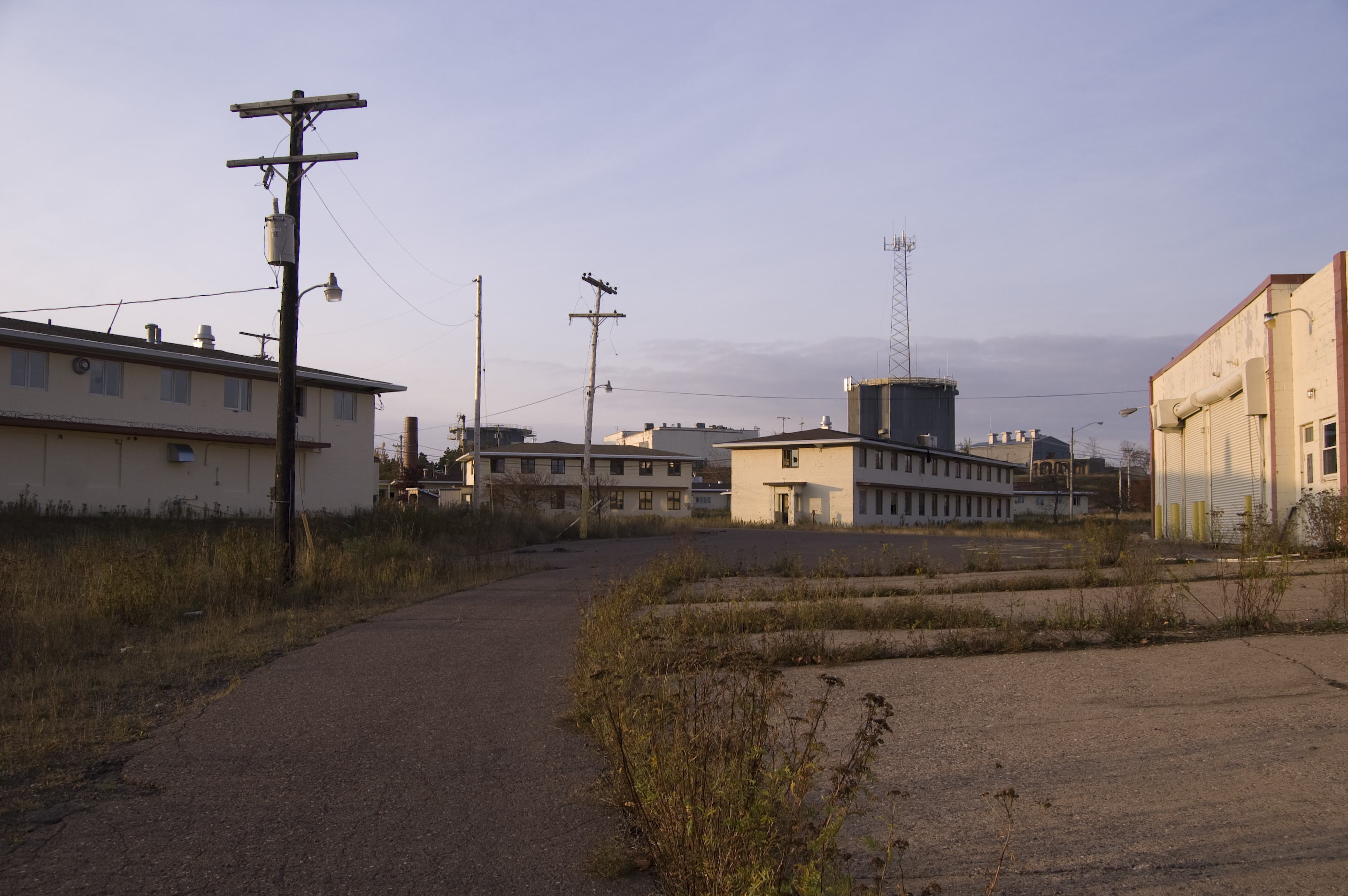
Calumet Air Force Station began operations in 1953 as part of the second wave of construction of such sites. It opened with AN/FPS-3 and AN/FPS-5 radars. In 1956, an AN/FPS-6 height-finder radar was installed, and 1958 saw further improvement with the installation of the AN/FPS-20 search radar.