Semi-active

Use when the location is mostly abandoned, but still has some private property in use.

When we arrived here, the first thing we noticed was the steep and somewhat bumpy road down into the village.  But also, we couldn’t help but notice what an incredibly secluded little harbour this was.  Buildings surrounded both sides, as far as the rocks would allow.  Many were clearly abandoned, but several, mostly along the south side of the harbour, were still very much in use.

Read More...

It began innocently enough.  We're driving along, me behind the wheel, my father browsing through a road atlas.  He mentions a road that the map says will be decommissioned soon.  As he traces along the line with his finger, he then mentions a town that the map says will be relocated soon.  I asked the date of the map and realize that “soon” is likely well past.  Immediately, we decide we’re going to take this road.

Read More...

Image

A short-lived battery, Fort Chebucto was built in 1943, and decommissioned in the 1950's.  Three 6" Mk24 guns were placed here with a range of just under 14 miles (almost 22.5 km) with the idea that, without this battery, and another at Devil's Point, a German battleship would be able to bombard the port of Halifax well out of reach of existing coastal artillery.

Read More...

Image

I arrived in my nice, clean, white, rented Equinox.  The windows were up, and the cool air was coming from the air conditioner.  The sun was shining, and I was loving being away from the cold and snow of Canada.  When I arrived, first at Salton City, I drove close to the beach and stopped.  I looked out over the shimmering water, turned off the engine and got out...  THE STENCH!  Nothing had prepared me for the smell.  Like seaweed and rotting fish, yet somehow much, much worse.  I looked around, noticed that some of the houses were actually occupied and thought, "how do they live with the stench?".

Read More...

Image

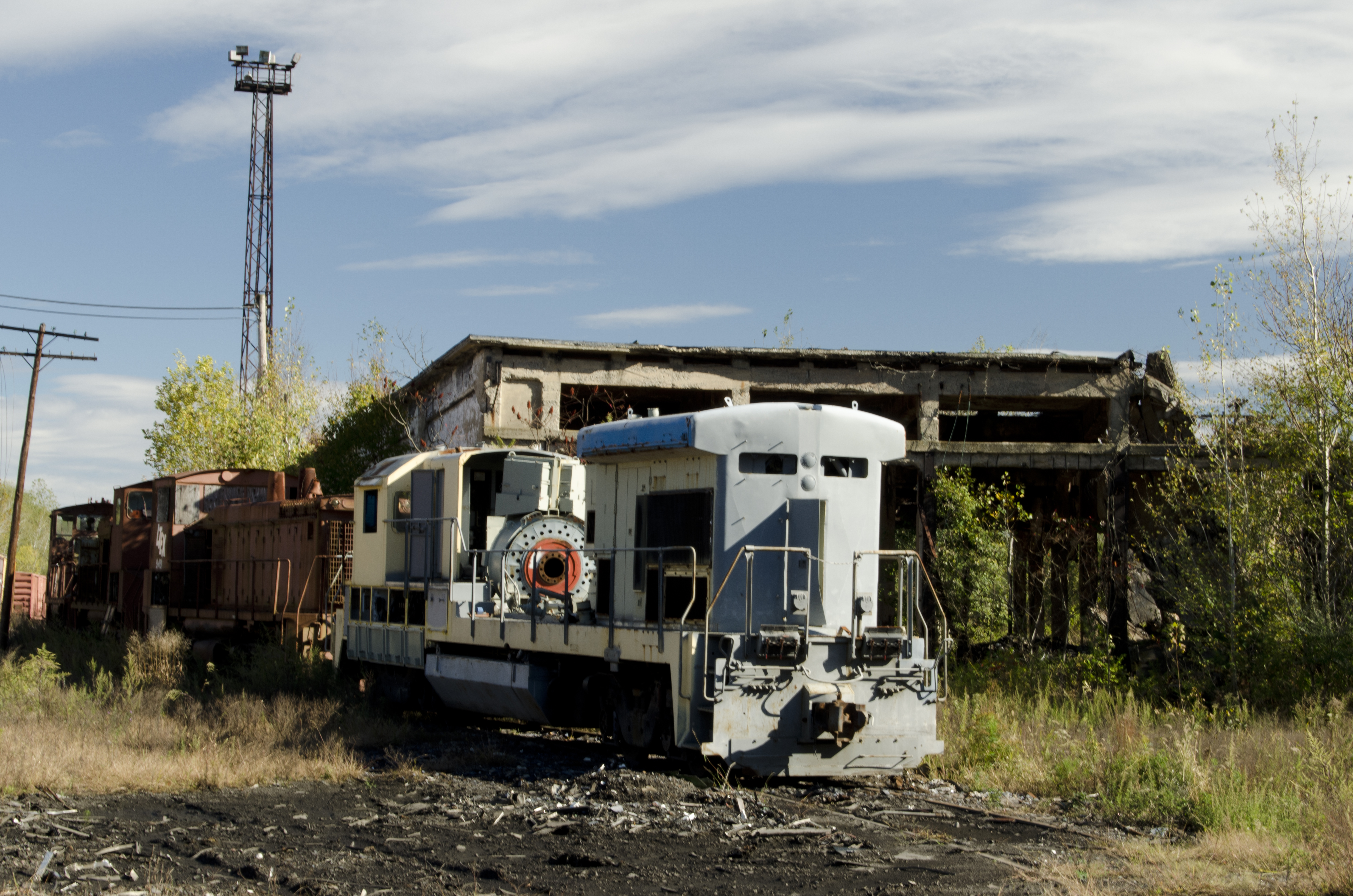
Coxton Yard was built in 1870 by the Lehigh Valley Railroad Company to facilitate the vast train activity required to support Pennsylvania's coal mining industry.  By the end of World War II, however, technology began catching up with the railroads.  Trucks on the expanding highway systems, and the move from coal to diesel-electric trains were bringing about the beginning of the end for operations at Coxton Yard.  It was finally abandoned in 1996, though the Reading and Northern Railroad Company still uses the southern-most portion of the yard to support natural gas extraction.

Read More...

Image

Operations began here in 1951 with the 762d Aircraft Control and Warning Squadron moved in with two WWII-era AN/CPS-3 radars. Its role at this point was as a Ground Control Intercept station, vectoring intercept aircraft toward unidentified targets. In 1955, the AN/FPS-8 radar was added to the base. This system was upgraded to AN/GPS-3 before being removed from service in 1960. In 1956, the primary search radar was the CPS-6B.

Read More...

Green Hosting Badge